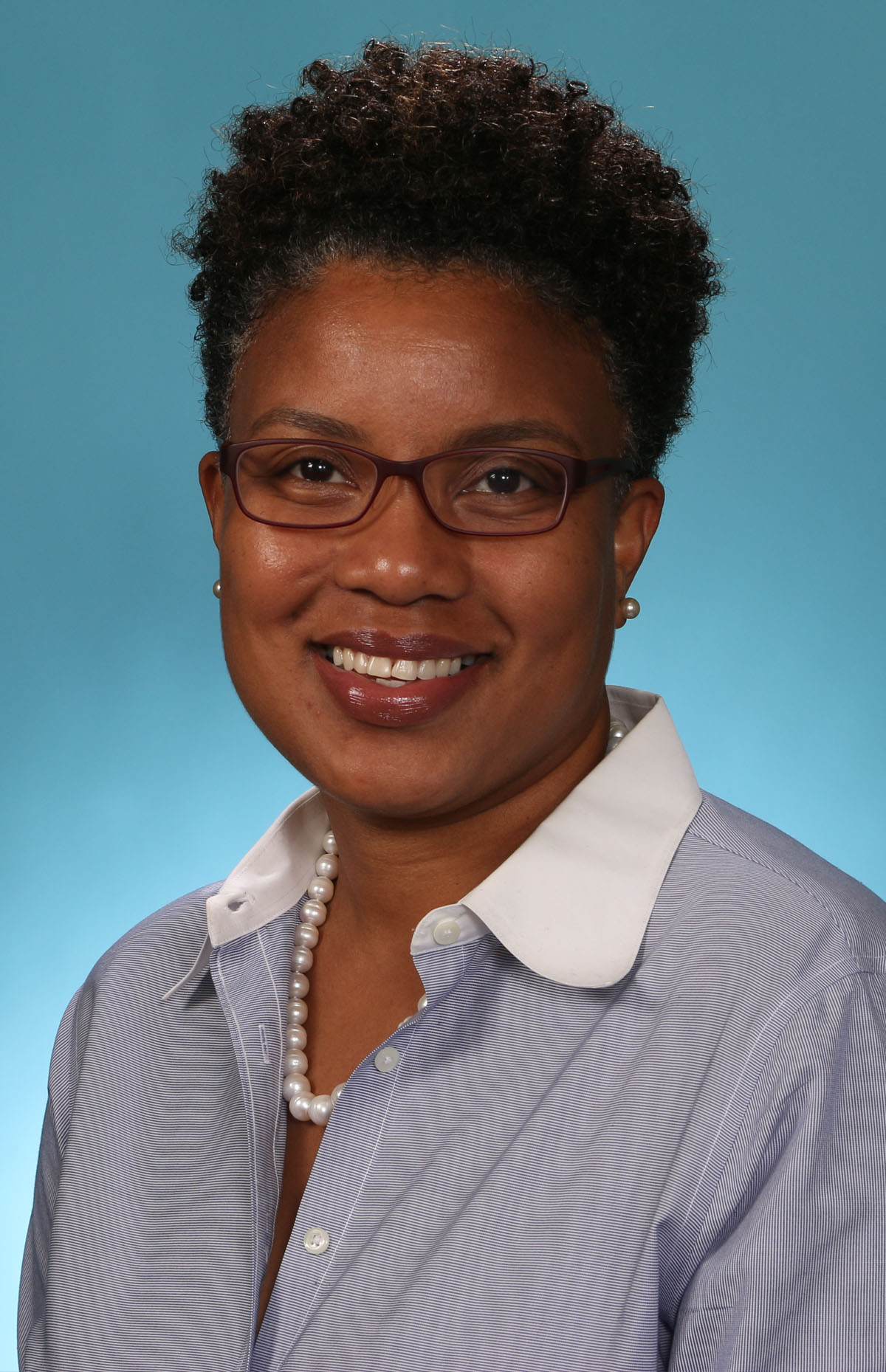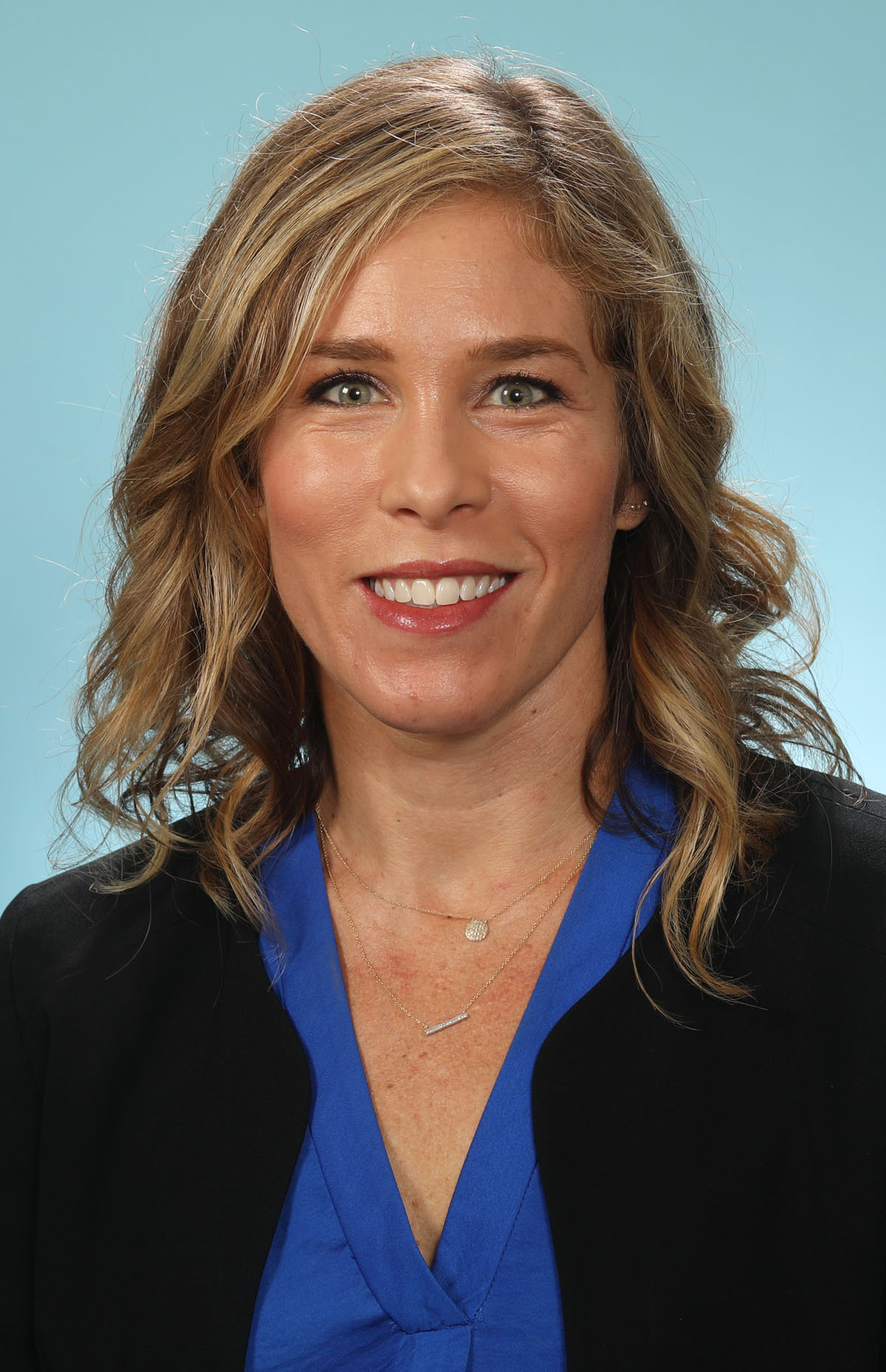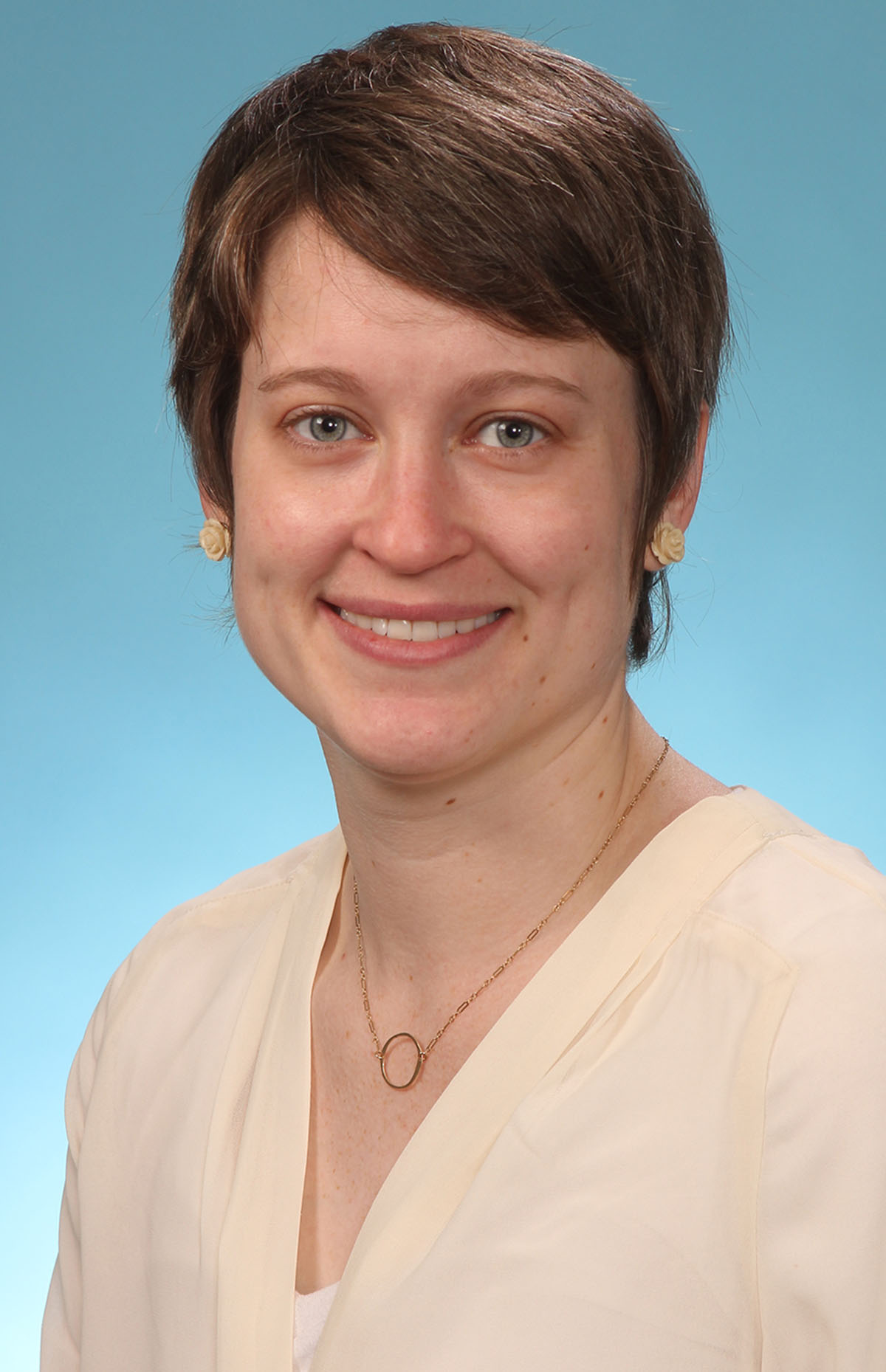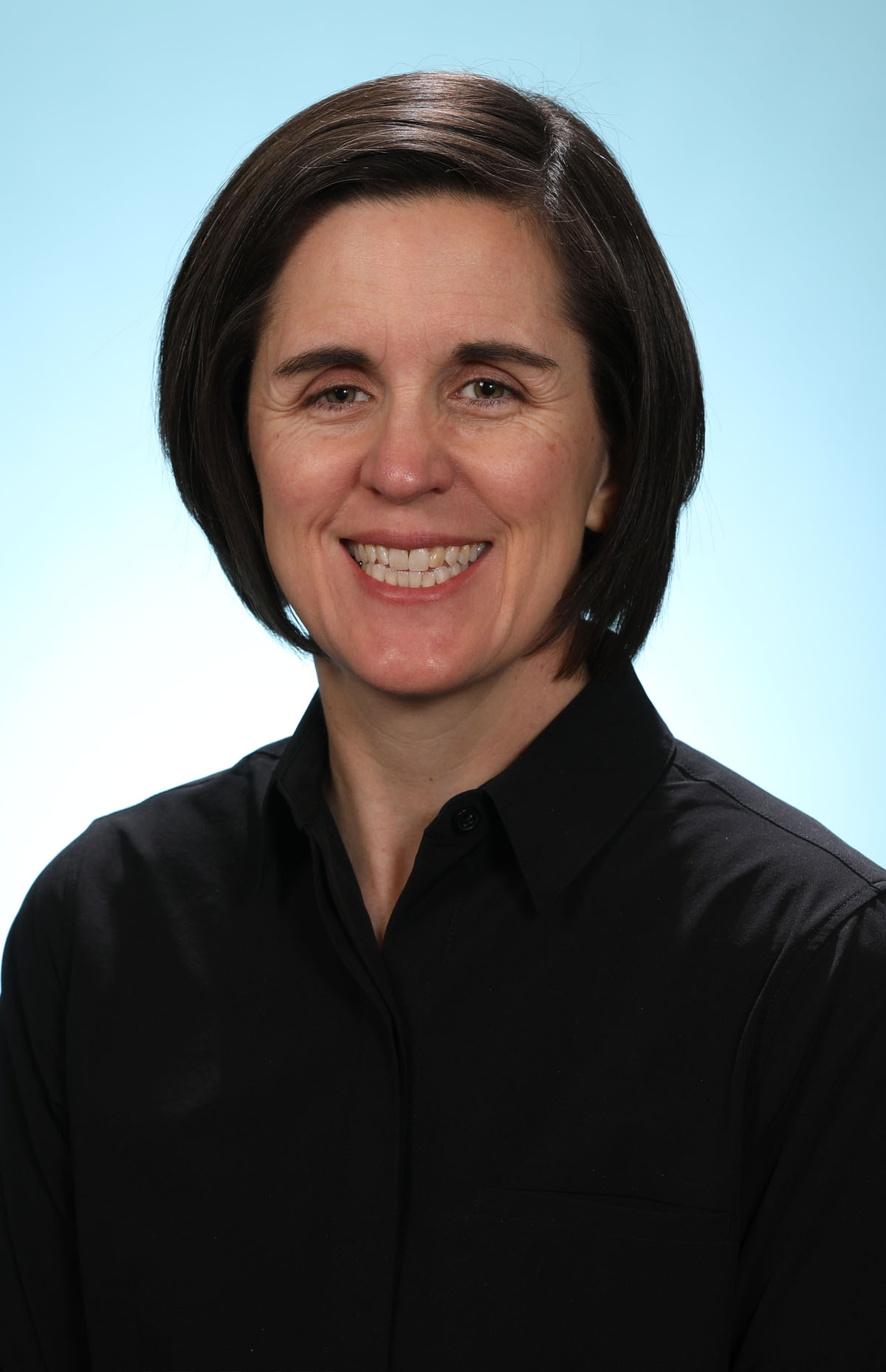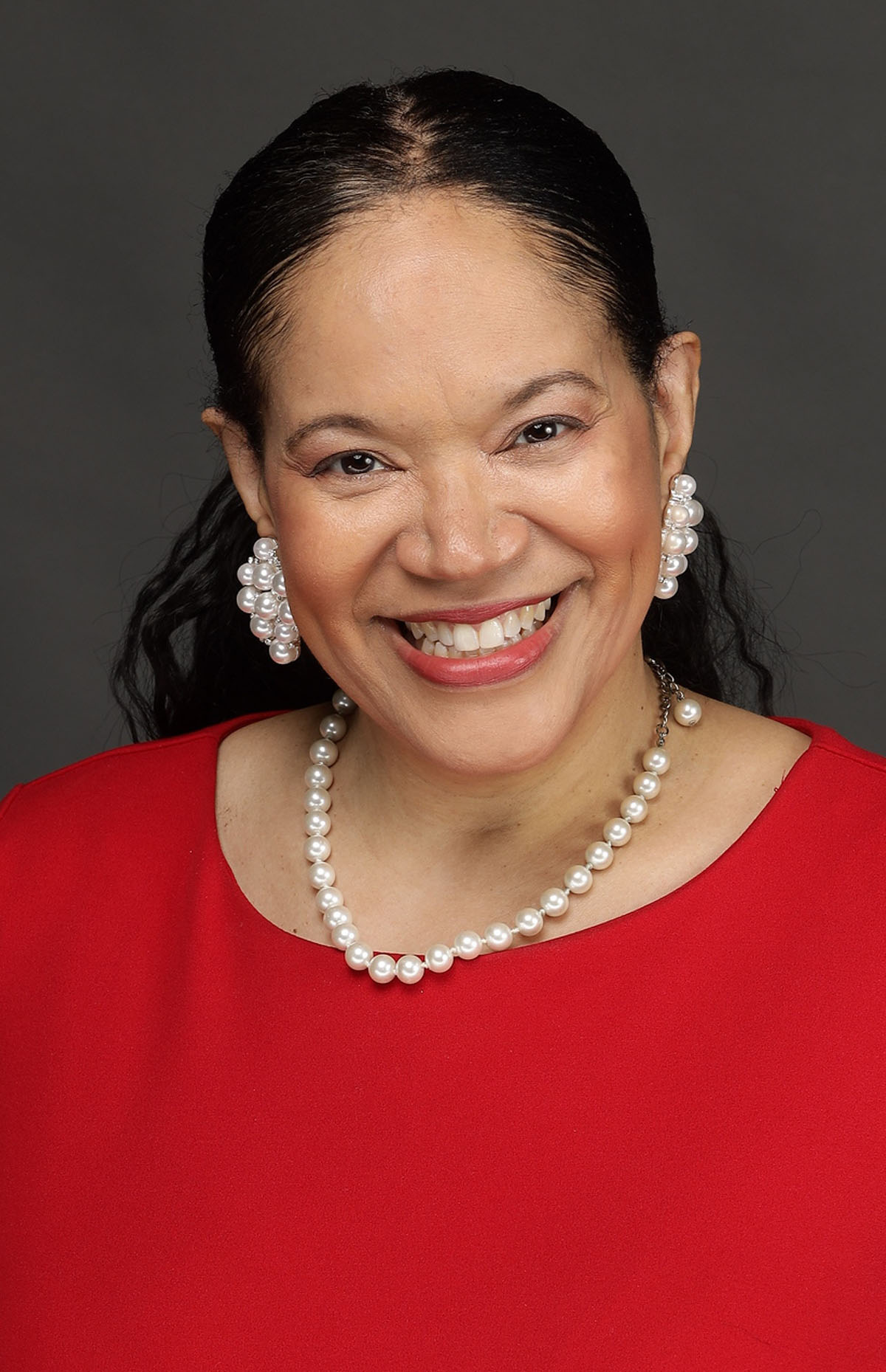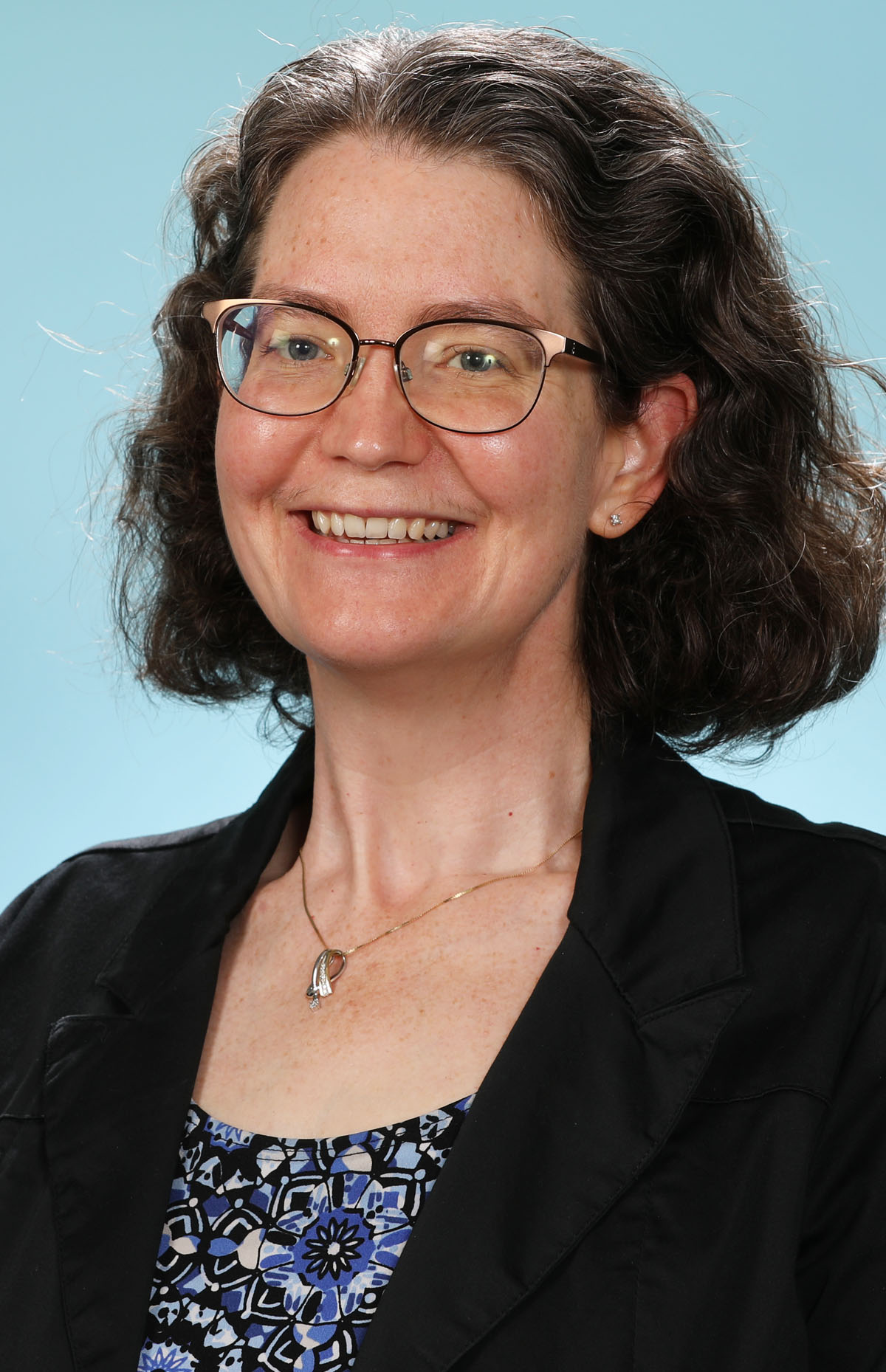



Dorothy Edwards, Ph.D.
Associate Professor in Occupational Therapy and Neurology at Washington University School of Medicine, St. Louis, MO.

BIOGRAPHICAL SKETCH

Dr. Edwards directs the Alzheimer's African American Outreach Program.
Dr. Edwards received her B.S. in Psychology at Loyola University, New Orleans Louisiana. She received a National Institute of Child Health and Human Development fellowship for her doctoral training in Aging and Development at Washington University in St. Louis. After receiving her doctorate in 1980 she worked as a research consultant for the Administration on Aging and then accepted a position at the Irene Walter Johnson Rehabilitation Institute of Washington University School of Medicine. She joined the faculty of the Program in Occupational Therapy as an Assistant Professor in 1988. Dr. Edwards was appointed as Assistant Professor of Neurology in 1990.

Dr. Edwards research has been supported by the: James S. McDonnell Foundation , 1998, the American Heart Association, 1997, the National Institute on Aging, 1993, the Alzheimer's Association, 1992, and the Retirement Research Foundation, 1989.

Dr. Edwards is an investigator in Washington University Alzheimer's Disease Research Center. She is the Principal Investigator of African American Outreach Satellite of the Alzheimer's Disease Research Center.

Dr. Edwards is a member of the Gerontological Society of American, the American Occupational Therapy Association, the American Psychological Association, and American Academy of Rehabilitation Medicine.


RESEARCH SUMMARY

Over the past twenty years tremendous progress had been made in the neurological treatment of persons with stroke and traumatic brain injury. Critical care treatments have led to substantially increased survival for persons with severe strokes and traumatic brain injuries. At this time, little is known about the quality of life experienced by individuals who have survived serious brain injury. Until recently most outcome studies focused on mortality and morbidity data; however, these variables may not be the outcomes of interest to patients, families and health care providers.

Stroke is the major cause of disability in adults in the United States. Disability due to stroke is a major public health problem that costs an estimated 13 billion dollars per year. Although most people who survive stroke recover to some degree, this recovery is often incomplete, leaving the individual with significant occupational performance deficits. We know very little about the factors influencing the full recovery of life roles and participation in prior activities. These deficits often produce long term need for assistance from caregivers and society. Over the past two years we have initiated a series of studies designed to characterize the relationship between different types of cognitive, sensorimotor, visual spatial impairments and functional status across the continuum of care as well as to relate these measures to occupational performance and quality of life after a person returns to the community. One goal of these studies is to identify reliable, valid and clinically viable measures to guide occupational therapists treating persons with stroke. The second goal is to examine the outcomes of stroke rehabilitation in order to provide data to support the creation of new rehabilitation models designed to decrease secondary disability and increase quality of life for both individuals and families coping with the aftermath of stroke.

Our studies also focus on individuals with progressive degenerative neurologic disease. It is estimated that Alzheimer's disease affects 12 % of persons over the age of 65. However, little is known about the medical, social, and functional status of minorities and low income older persons with dementia who for cultural, economic or social reasons do not seek help from existing medical and social service systems. Although the medical literature about dementia of the Alzheimer Type (DAT) has grown exponentially over the past decade, the impact of dementia on minority older persons living in the community remains largely unexplained. The Memory and Aging Project Satellite (MAPS) of the Washington University Alzheimer's Disease Research Center (ADRC) provides home based diagnosis, treatment, and case management for minority and medically under served residents of the St. Louis metropolitan area. The MAPS program has both research and clinical functions. Currently we are evaluating the occupational performance of African American elders with dementia and describing the environments in which they live. We are also examining the cultural sensitivity and accuracy of the assessment tools developed for use with white middle class elders in our sample of minority and low income older adults. The goal of this work is to document the role of the environment and habits of every day life in supporting the preservation of functional independence in persons with cognitive loss.

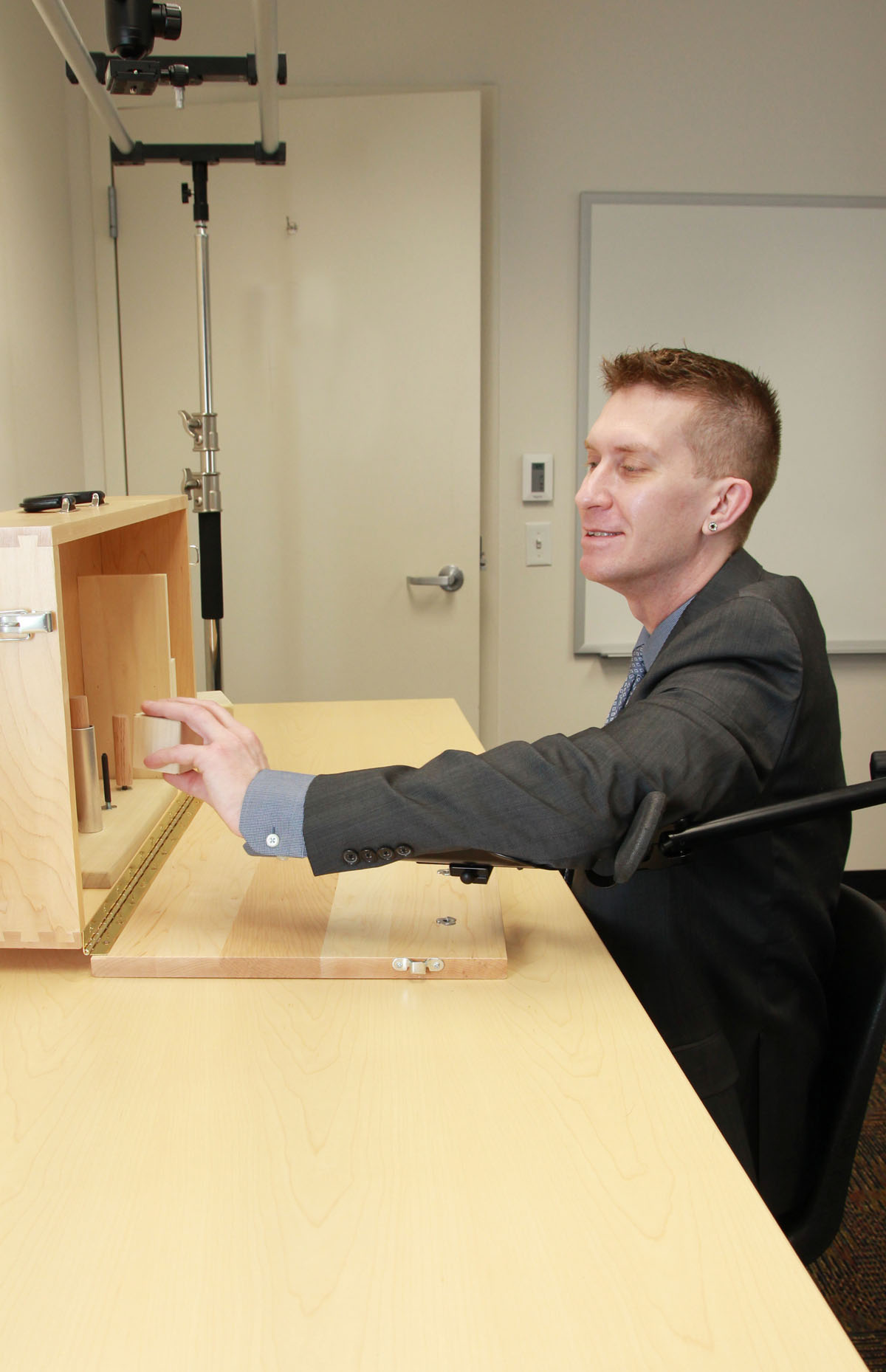
Our work in the laboratory is directed toward understanding the mechanisms which support independence and quality of life in the community for older adults. The focus of our research includes: 1) examination of the performance of basic and instrumental activities of daily living in context, 2) describing the environmental factors which support or prevent community participation of older adults with neurological disease, 3) documenting the impact of neurological disease and functional impairment on family caregivers and 4) determinants of quality of life.


Link to Research Lab Description: Community Participation and Quality of Life Laboratory

SOME RECENT PUBLICATIONS

Edwards DF, Chen YW, Diringer MN: The Unified Stroke Scale Is Valid And Reliable in Ischemic and Hemorrhagic Stroke.Stroke, 1995; 26: 1859-1865.

Edwards DF, Baum MC: Functional performance of inner city African American older persons with dementia. In Lewis CB (Eds.). Topics in Geriatric Rehabilitation, 1996; 12(2): 17-27.

Edwards DF, Hollingsworth H, Zazulia, A, Diringer MN. Do Artificial Neural Networks Improve the Prediction of Mortality in Supratentorial Intracerebral Hemorrhage ? Neurology. 1999;53(2):351-7.

Edwards DF, Baum CB, Meisel M, Depke M, Williams J, Braford T, & Morrow-Howell, N. Homebased Multidisciplinary Diagnosis and Treatment of Inner City Elders with Dementia. The Gerontologist, 1999,39,483-488.


CONTACT INFORMATION

E-mail: edwardsd@msnotes.wustl.edu
Phone: (314) 286-1632 office (314) 286-1637 lab
Fax: (314) 286-1601
Mailing address:
Program in Occupational Therapy
4444 Forest Park Ave.
Campus Box 8505
St. Louis, MO 63108