

New Specialized Electives Give Students a Broader OT Lens
by Abby King • July 10, 2026
WashU Medicine’s Program in Occupational Therapy is offering students a new way to explore the breadth of the profession through a series of specialized electives designed to keep pace with emerging and non-traditional areas of practice.
The idea, according to Dr. Lenin Grajo, Director of Professional Education, grew out of two important needs as the program was preparing for a curriculum update in 2023: to fill gaps in the curriculum and to create a more flexible, responsive learning experience for students. Occupational therapy practice has evolved beyond traditional settings, and some emerging areas were not being addressed in enough depth in the classroom. Additionally, master’s students had expressed a desire to have the same range of specialized content offered to doctoral students.
The Specialized Electives were created to address both concerns. Rather than relying on a single standalone course with content becoming increasingly difficult to sustain as the field changed, the new model allows faculty and advanced clinicians to propose electives that can be refreshed each year based on student interest and current trends in practice. The program is also helping distinguish the Master of Science in Occupational Therapy (MSOT) degree from the Doctor of Occupational Therapy (OTD) degree. While students in both programs can take the electives, MSOT students receive priority. The electives have become a defining part of the WashU experience for many OT students, with one student noting the specialized electives were “definitely part of the reason I chose WashU for my OT education.”
For Dr. Steven Taff, who became the coordinator for the initiative after its pilot implementation, the format also helps showcase faculty expertise in areas students may not otherwise encounter in depth. Each year, faculty and instructors submit one-page proposals for consideration. Taff chairs the sub-committee charged with reviewing the submissions, weighing factors such as student interest, hands-on learning opportunities, and the overall strength of the proposal.
The breadth of faculty expertise is reflected in the courses offered so far, which have included: Hand Therapy 101, Specialization in Assistive Technology, Effective Practice Strategies for Children and Youth with High-Intensity Needs in the School Setting, Hospital Based Pediatrics, Physical Activity and Exercise for Persons with a Disability, Increasing Participation in the Home and Community Through Environmental Modifications, Occupational Therapy in Maternal Health, and Deafness and OT.
Once selected, the electives are introduced to students during an orientation before their second year. Scheduling the courses requires plenty of logistics, ranging from room availability to transportation for off-site experiences, a required component for these electives. Some are held on campus in the Program’s Community Experiential Learning Center (CELC), while others take students into the community or to clinical sites such as the Stephen A. Orthwein Center at Paraquad or Ranken Jordan Pediatric Bridge Hospital in Maryland Heights, MO. The result of all that planning? Unique and impactful learning experiences.
Students are responding enthusiastically. An MSOT student described the Occupational Therapy in Maternal Health elective as “an amazing opportunity to learn more about an emerging area of practice,” adding that it offered a “new perspective” on future practice.
One of the clearest examples of the electives meeting student interest came when students expressed interest in inpatient pediatric care, including settings such as the PICU and NICU. In response, the team developed the Hospital-Based Pediatrics course, which brought students into acute and subacute care environments and recruited Molly Danly, MOT, an advanced clinician and program lecturer to facilitate the course. The course provided students a chance to observe therapy in action and see how specialized pediatric practice unfolds in real clinical settings. One OTD student said that course stood out because it connected classroom learning with real-world observation: “It was cool to learn in the classroom about things and then go to the hospital the following week to see them firsthand.” Another student agreed, describing the field trips to Ranken Jordan as “a highlight,” saying that touring the hospital, meeting therapists, and observing interventions with pediatric clients “was a significant expansion to my OT education.” The course also introduced specialized topics such as aquatic therapy to students and made those practice areas feel tangible and relevant to future practice.
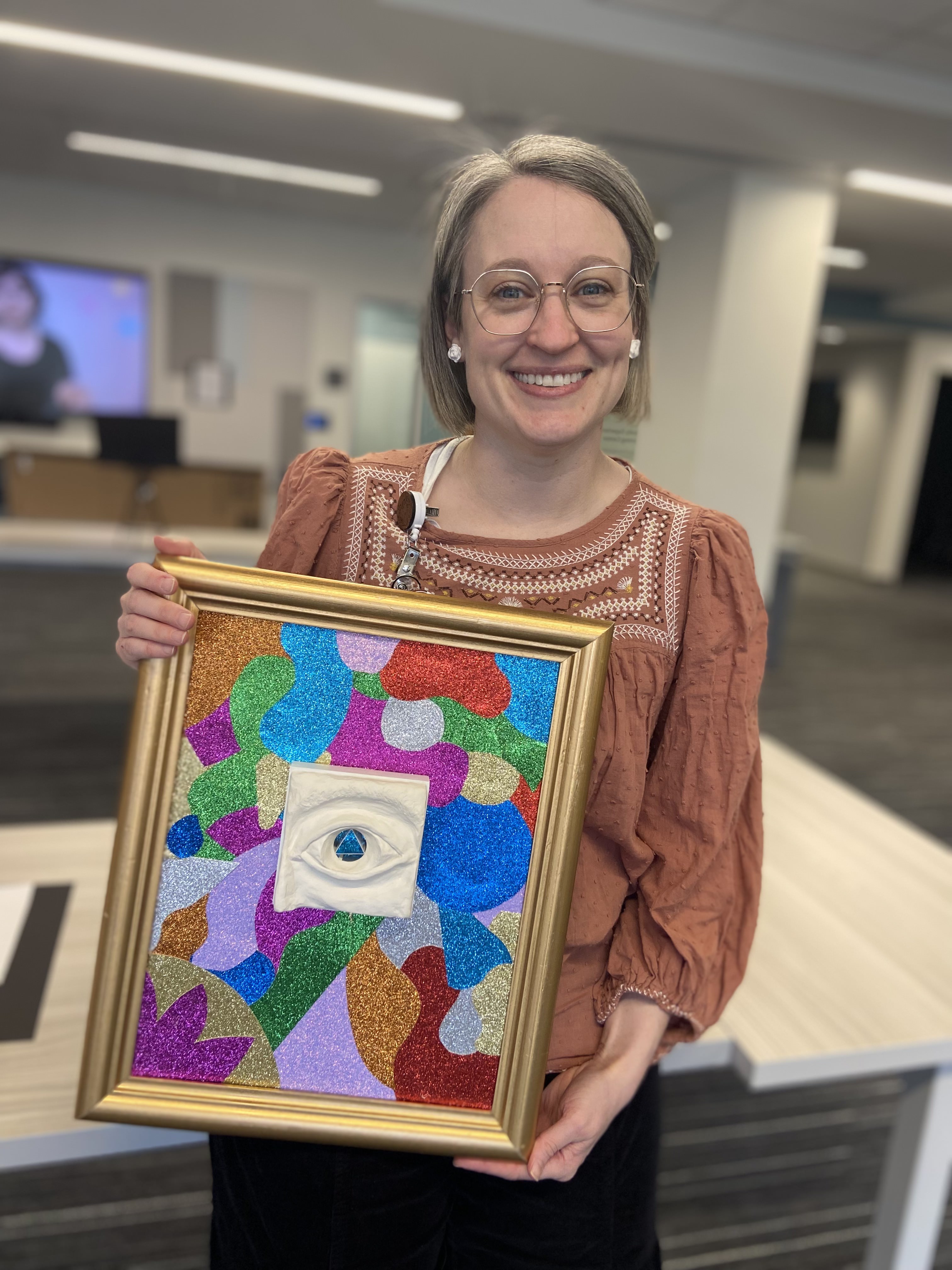
Beyond exposing students to emerging areas of practice, this elective series offers faculty the chance to share their passion for a specific area of OT and perhaps spark inspiration for students to pursue a specialty as they enter the profession. The Deafness and OT elective, offered in spring 2025 and directed by Dr. Sarah Cheatham Oberle, allowed students to explore the many facets of d/Deafness as related to identity and function within an auditory world. Dr. Cheatham Oberle said one of the most memorable parts of the course was a final project in which students worked with a partner to create an artistic piece without using spoken language. The work had to reflect an aspect of d/Deafness or d/Deaf culture explored during the course. Students responded with visual art, poetry, informational designs, and video presentations that were displayed in a gallery tour at the end of the course.
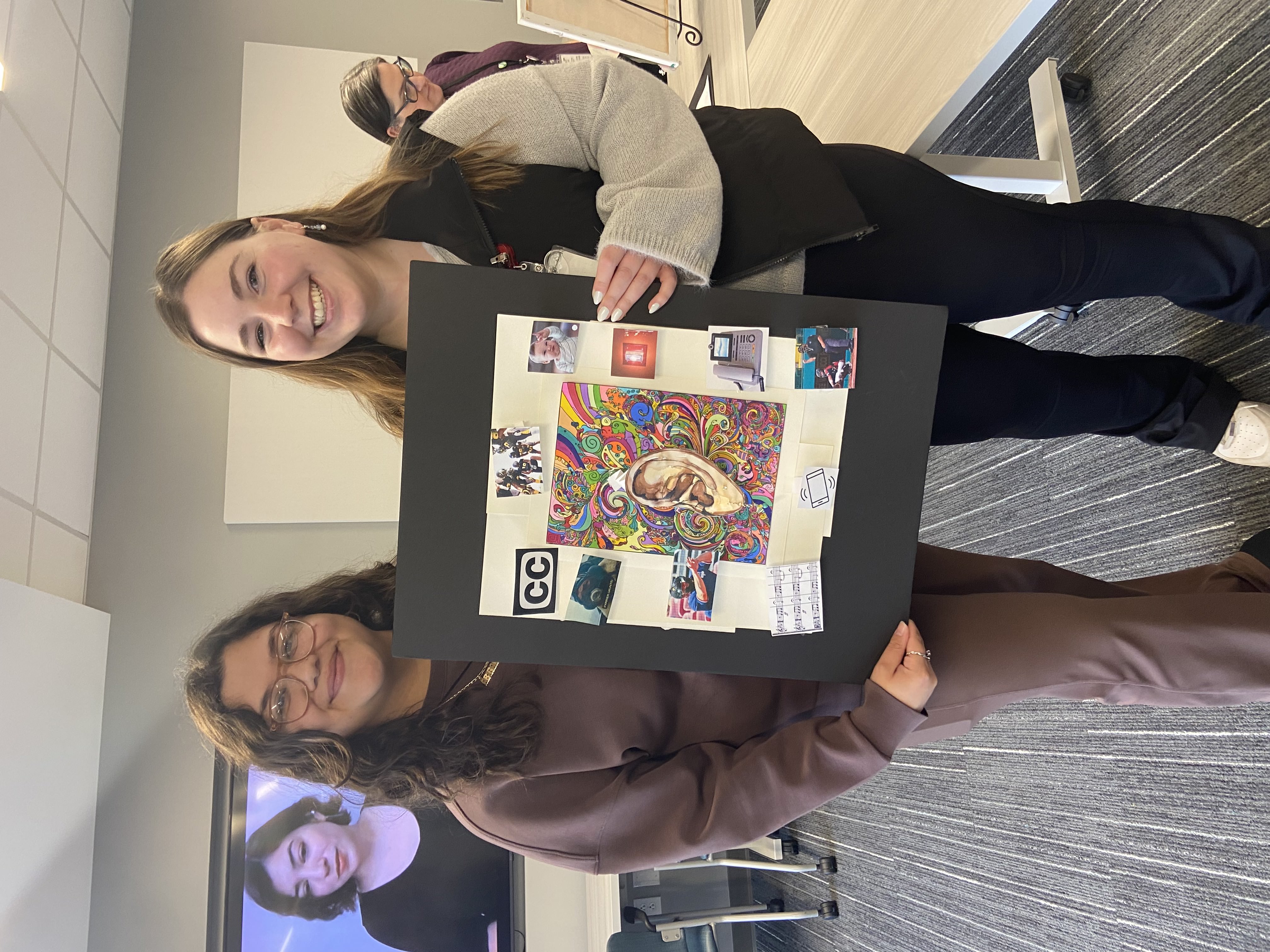
“The students’ creativity flowed, and some beautiful pieces were born of this assignment,” Cheatham Oberle said. She added that the experience helped students deepen their understanding of Deaf culture and view the world through a different lens. One student reflection captured that impact: “As I wrote, I found myself questioning my assumptions. Do I, as someone who hears, truly listen?... There are so many ways to experience life beyond sound; perhaps, in some ways, those who do not hear are more attuned to them than I am.”
The Hand Therapy 101 course also left a strong impression on students. Its director, Dr. Stacy Baker, said the class created a space for learners to build confidence and apply what they were learning in a meaningful, practical way. “Being able to share my passion for a specialized area of occupational therapy was incredibly rewarding,” Baker said. “The students were highly engaged throughout the course, and together we created a safe environment where they could learn, practice, and build confidence in their clinical evaluation skills for hand therapy patients.”
She added that one of the most meaningful parts of the course was hearing students say they were applying class concepts during their clinical experiences. “They especially appreciated connecting each new concept to real patient stories, which helped bring the material to life,” Baker said. “To conclude the course, the students had the opportunity to evaluate an actual hand therapy patient in a supportive, low-stress environment, allowing them to apply and refine the skills they had developed throughout the class.”
Faculty see similar value across the electives. Dr. Amanda Mack, Director of Post-Professional Education and course director of the maternal health elective, said “This is such a great experience to not only expose our learners to an emerging area of occupational therapy, but to help them see how they will be supporting perinatal clients and families no matter where they practice.”
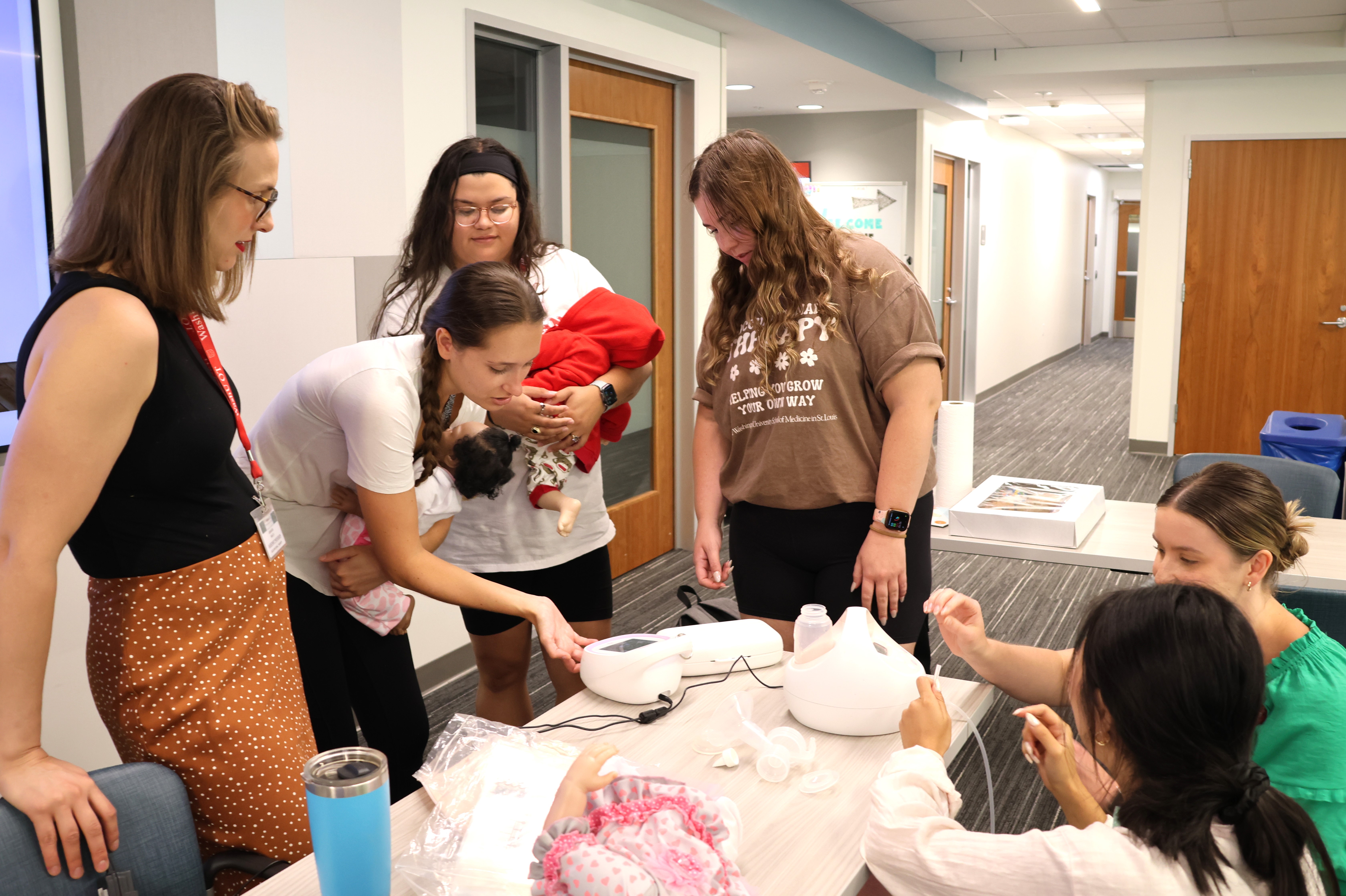
Mack added that the course allows students to apply skills they have learned throughout the curriculum in a real-world context. “During the elective, we get to learn together so many of the things that impact participation for new parents and practically put the skills they have learned throughout the curriculum to use in client interviews,” she said. “It’s incredible to be able to build excitement about maternal health and also give them a broader OT lens as they get closer to becoming practicing clinicians.
Students echoed that the hands-on, applied nature of the electives was one of their greatest strengths. One student shared their experience in the maternal health course was “meaningful” and “enriching”, noting the class felt especially “hands-on and immersive” through exploration of occupations, policy discussions and a panel of leaders in maternal health. Another student highlighted the opportunity to complete an occupational profile and documentation with a real person rather than through role play, and shared that the class deepened discussion around policy barriers, environmental barriers, and gaps in the health care system affecting pregnancy and parenting. “Reflecting on how we as OTs, even not as specific ‘maternal health’ OTs, can show up for our patients who are pregnant, recently pregnant, or parents was meaningful,” the student wrote.
For Taff, that broader perspective is exactly the point. The electives are designed not only to introduce students to novel practice areas, but also to help them see how occupational therapy principles apply across settings. “They appreciate the new learning,” he said, adding that the courses often prompt students to think about how practitioners enter specialty areas and how OT can intersect with emerging fields.
Looking ahead, Drs. Grajo and Taff envision continued evolution. Grajo discussed creating an elective focused on OT and entrepreneurship that would feature panelists of alumni who have started businesses. Taff share he would “love to see more of our clinicians and researchers maybe offer an elective,” noting he sees room for future courses in low vision, hearing loss, and other niche areas where WashU OT already has strong expertise. “I would like to get the greatest exposure that we can give to the possibilities,” he said. “There’s so many different things you can do with the generalist skill set, if you have the passion and the interest in it.”
For students, that exposure appears to be making a difference. The electives are giving them a chance to explore emerging areas, connect theory to practice, and imagine new directions for their careers. As one student put it, the experience “gave me a new perspective on my future practice.”
In a profession defined by adaptability, that may be the greatest lesson of all.